Get clear, sourced briefings on US news, politics, technology, world affairs, finance, and entertainment. Catch up in minutes—no clickbait, no wasted time.
Google to launch first Project Suncatcher AI-chip satellite next week
Alphabet’s Google said Thursday it will fly a Planet Labs–built prototype on SpaceX’s Transporter-18 rideshare—targeted around Oct. 1—to test Tensor Processing Units in low Earth orbit under Project Suncatcher, a research moonshot exploring whether space can host scalable AI compute.
By US Brief desk · Updated 2026-09-24T20:56:00-07:00
AI-assisted digests from the US Brief desk. Synthesizes reputable reporting with cited sources; not a wire service. Corrections welcomed.
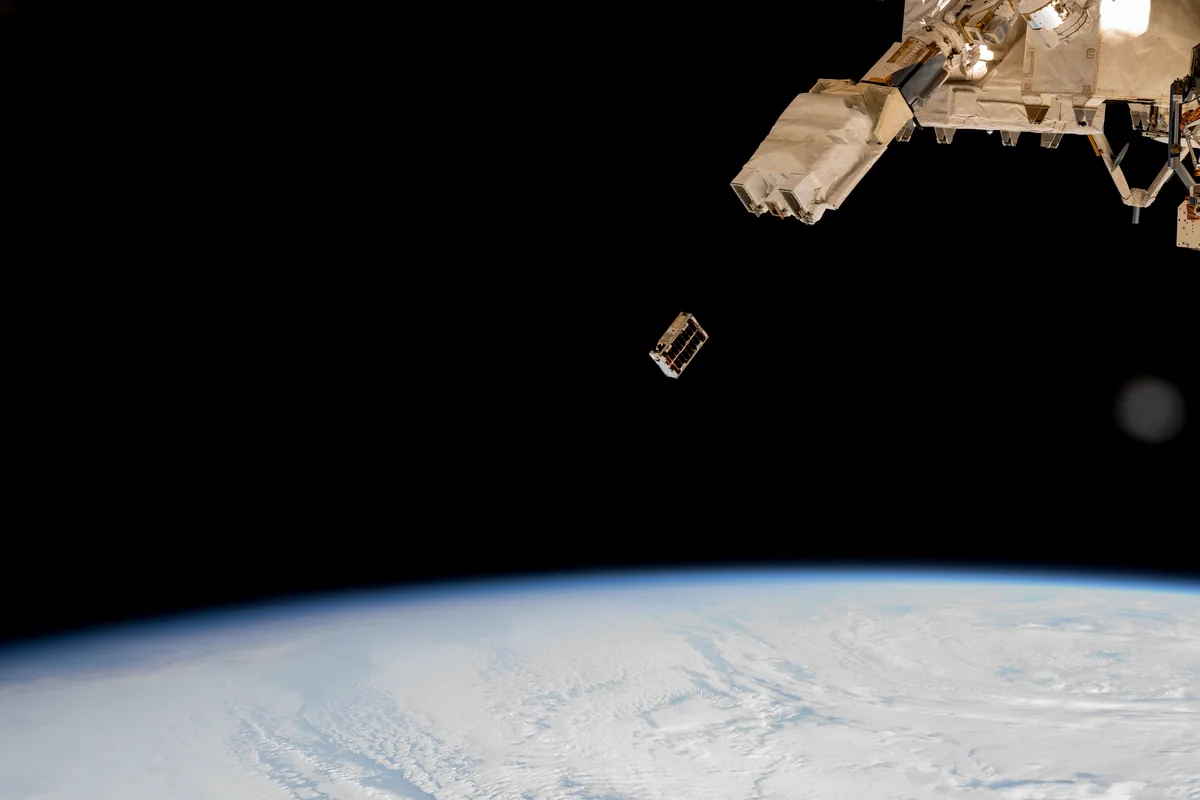
Google is taking its first hardware step into orbital AI compute. On Thursday the company said a prototype satellite under Project Suncatcher will launch next week on SpaceX’s Transporter-18 rideshare—built with Planet Labs—to test whether Tensor Processing Units can survive and run in low Earth orbit.
What Google announced: In a Sep 24 Google Research post, Senior Director Travis Beals framed Suncatcher as a long-term moonshot exploring whether space can host scalable machine learning infrastructure. The initial mission rides SpaceX’s Transporter-18 with Planet; after launch it will put Google TPUs into LEO to gather in-orbit data on launch stress, radiation, and thermal extremes. Google stressed the flight is about learning failure points—not proving a commercial orbital data center.
 Skip to content