Snap settles teen addiction case after Meta, avoiding Los Angeles trial
Snap settled on Nov. 2 with the two teen plaintiffs in a Los Angeles trial over claims that social media apps are designed to be addictive, days after Meta did. Terms are confidential, and the trial, set to open Nov. 4, will not go ahead.
AI-assisted · US Brief desk · Sources listed below
What happened
Meta, which owns Instagram and Facebook, reached a confidential settlement Friday with K.D.B., an 18-year-old from Mississippi who says the company's apps were built to be addictive and harmed her mental health. A day earlier Meta settled with S.J., a teen from Illinois whose case was set to be tried alongside hers. Then on Monday, Nov. 2, Snap, maker of Snapchat, settled with both teens during jury selection, two days before opening statements, Reuters (via NBC News) and Bloomberg Law reported. TikTok and YouTube had already settled, so no defendants remain and the trial will not go ahead. Terms were not disclosed.
Why it matters
Parents and schools across the country are watching these trials, and the outcomes could shape a much larger settlement and how apps for teens are designed.
More context
What the case is about: These are "bellwether" trials, early test cases picked from a much larger group of lawsuits so both sides can see how juries react before talking about a wider settlement. The consolidated case involves more than 1,600 plaintiffs, including over 350 families and over 250 school districts, by NBC News' count; Courthouse News puts it at more than 2,000. The plaintiffs said Snap designed features such as Snapstreaks, which reward users for messaging every day, plus Snapscores and filters, that push young people into compulsive use, leading to problems including anxiety, depression, eating disorders and self-harm.
The legal shift, in plain words: For years, a 1996 law known as Section 230 shielded apps from lawsuits over what users post. These plaintiffs instead target design choices, such as likes, autoplay, infinite scroll and beauty filters, arguing the companies are responsible for how the products are built, not for users' posts, Courthouse News reported.
Timeline: In March, in the first trial, a jury found Meta and YouTube negligent in a case brought by a plaintiff known as K.G.M. It awarded $3 million in compensatory damages and $3 million in punitive damages, $6 million in total, with Meta found 70% responsible and Google's YouTube 30%. The companies have appealed. Before the second, plaintiff R.K.C. settled with Google, TikTok and Snap and dropped claims against Meta. In August, Meta settled with dozens of states, agreeing to time limits for teens, no access at night and no notifications during school hours. In late October, Meta settled with S.J. and K.D.B., and on Nov. 2 Snap settled with both. The next bellwether trials are scheduled for March, according to the plaintiffs' lawyers.
The companies' case: Meta says it has "spent more than a decade building protections for teens" and that "trials, dismissals and settlements are all common in the bellwether process." Meta CEO Mark Zuckerberg had been set to testify in K.D.B.'s trial, Courthouse News reported. Snap says Snapchat "opens to a camera, not a feed" and that the allegations "fundamentally misrepresent the plaintiffs' experiences on Snapchat and how our platform was designed." Snap CEO Evan Spiegel had been expected to testify. After settling, Snap said "the parties are pleased to have been able to resolve this matter in an amicable manner," CBS News reported.
The plaintiffs' case: K.D.B.'s trial lawyer, Emily Jeffcott, said the families remain "committed to improving safety for kids on social media apps and holding tech companies accountable."
Weak spot: Both sides are spinning settlements whose terms no one outside can see, and Snap's terms are confidential too. K.D.B.'s lawyer called hers a "just resolution," while a source close to Meta told Courthouse News it was more of a business decision than a shift in legal strategy; neither claim can be checked while the amounts stay secret.
What's still unknown: Whether Snap settles before Nov. 4, and how a jury weighs claims against an app that, unlike Instagram, does not center on a scrolling feed.
Correction, Nov. 4, 2026: An earlier version of this story said Snap would face trial alone with opening arguments on Nov. 4. Snap settled with both plaintiffs on Nov. 2 on confidential terms, according to Reuters, NBC News and Bloomberg Law, so the trial will not go ahead. The headline and story have been updated.
9 listed sources
- NBC News, Oct. 30, 2026
- Courthouse News Service, Oct. 30, 2026
- CBS News, Oct. 30, 2026
- California Courts Newsroom, Oct. 30, 2026
- Reuters via NBC News, "Snap settles with two teens during trial," Nov. 2, 2026
- Bloomberg Law, "Snap Reaches Settlement to Avoid LA Trial in Addiction Case," Nov. 2, 2026
- CBS News, Nov. 2, 2026
- Los Angeles Times, Mar. 25, 2026
- NBC News, Mar. 25, 2026
References listed by US Brief; a source count is not a verification score.
Editorial sourcing notes
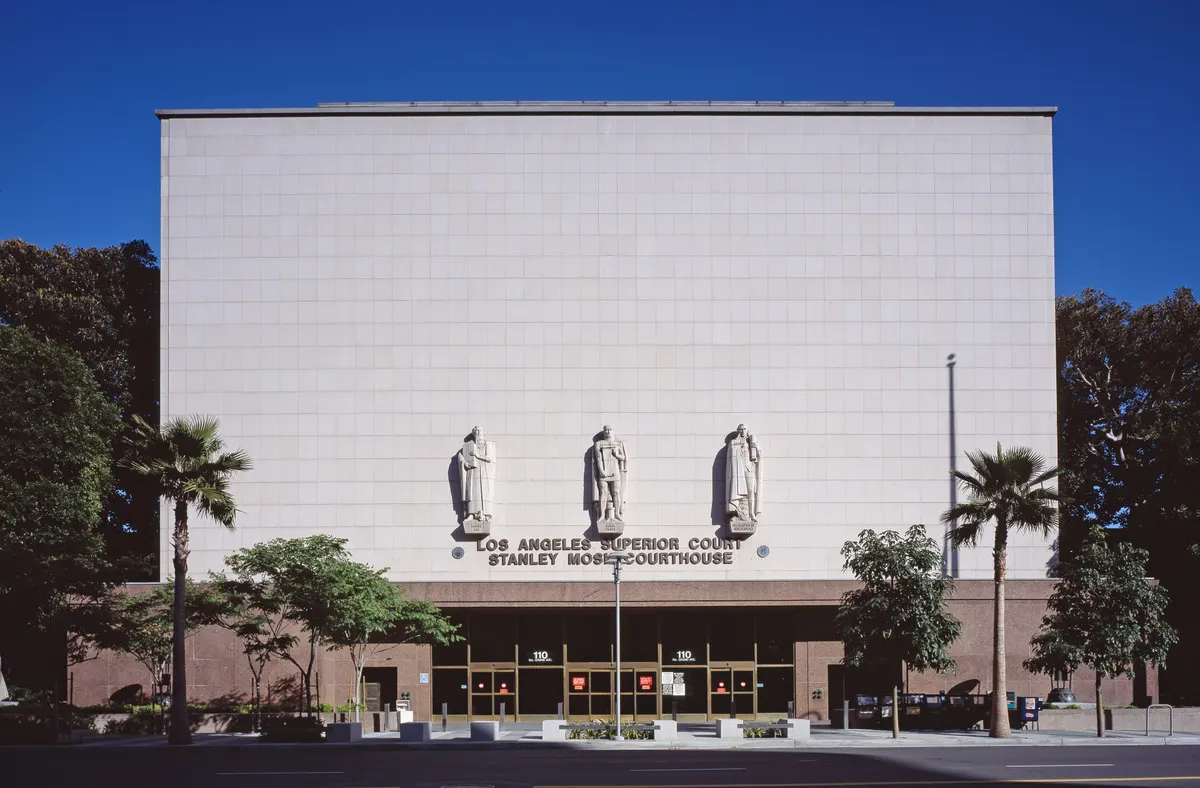
Settlement terms are confidential. Reports differ on some figures: NBC News counts more than 1,600 plaintiffs in the consolidated case and Courthouse News more than 2,000; NBC put Meta's August state settlement at about $18 billion and Courthouse News at up to $17 billion. The March verdict was $3 million in compensatory damages plus $3 million in punitive damages, $6 million in total, split 70% Meta and 30% Google's YouTube, per NBC News and the Los Angeles Times. The claim that the settlement was a business decision comes from an unnamed source close to Meta. The hero photo is a 2005 file photo of the Los Angeles courthouse building; the trial's courthouse was not named in the reports reviewed.
Like US Brief? You can support it with a tip.