FAA reviews Boeing 737 MAX software glitch that can drop automated landing guidance
Boeing disclosed a flight-management software issue that can disable vertical navigation after a missed approach when crews change the programmed path. The FAA is assessing the problem and will convene a Corrective Action Review Board. Major U.S. carriers say their in-service Max fleets do not use the affected software versions.
AI-assisted · US Brief desk · Sources listed below
What happened
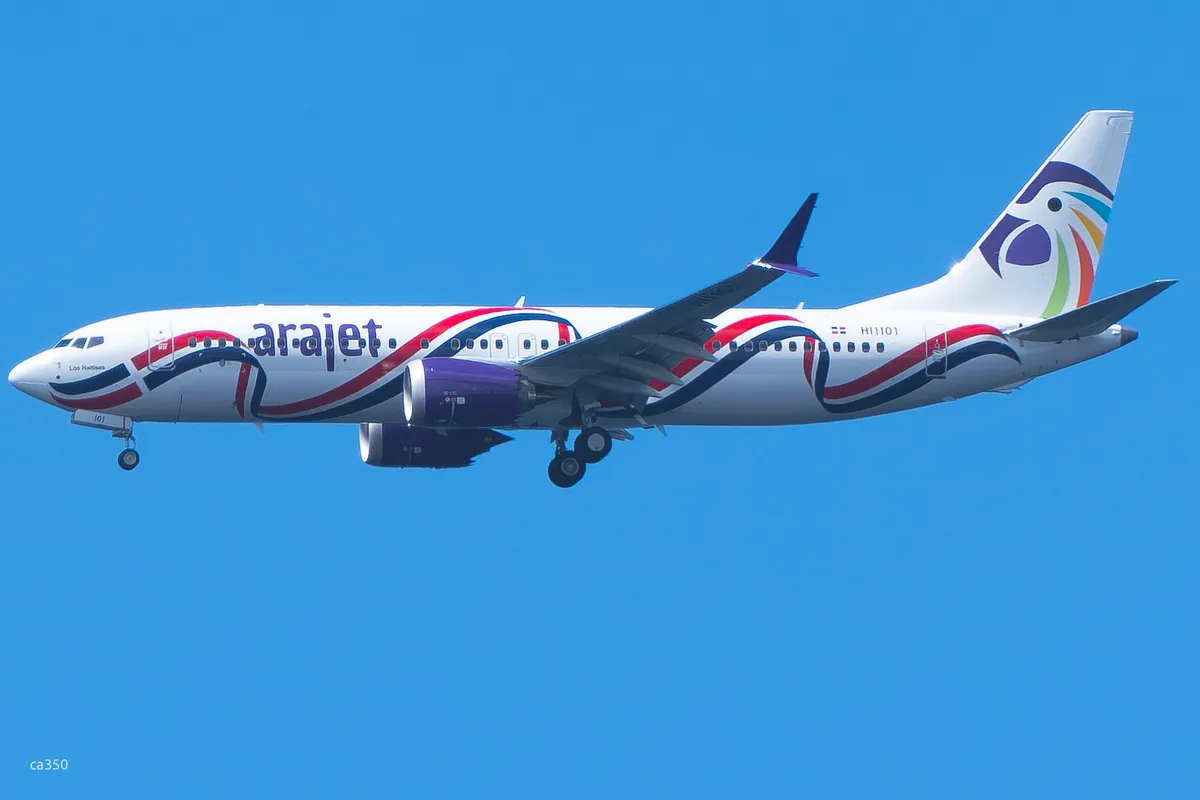
Boeing and U.S. aviation regulators are reviewing a previously undisclosed 737 MAX flight-management software glitch that can knock out automated vertical navigation after a missed approach, adding fresh scrutiny as the company pushes to certify and deliver the last Max variants. The Wall Street Journal first reported the issue on Saturday, citing company documents; Boeing and the FAA confirmed they are working the problem with airlines.
What goes wrong: In a specific scenario after a go-around, when pilots are flying a precision approach with autopilot engaged and then alter the preprogrammed flight path, the flight management computer can cause the vertical navigation system (VNAV) to disengage and fall back to a less sophisticated pitch mode, CBS News reported. Crews would then need extra steps to restore automated vertical guidance on the next approach — typically at low altitude, when workload is already high.
Boeing's position: The company said it informed all 737 operators last month. "We shared information with operators that reinforced existing pilot procedures for safely handling such cases. Our engineers are working on a software update to permanently address the issue," Boeing told CBS News, CNBC, and Reuters. A Boeing spokesperson told CBS that autopilot continues to function even if VNAV drops, and that pilots are trained to land without VNAV. An August–September operator bulletin characterized the glitch as not an immediate safety issue, CBS reported.
Why it matters
Automated vertical navigation is a core tool on busy missed-approach go-arounds. Even a rare edge-case that forces manual workarounds lands at the intersection of pilot workload, airline acceptance of new software, and Boeing's cash-critical Max 7 and Max 10 timelines.
What’s next
Watch the FAA Corrective Action Review Board, whether Boeing accelerates the permanent software patch and interim pilot procedures, and any formal hold on Max 7 deliveries or Max 10 certification.
More context
Which software: CBS News said the issue surfaces in versions 14 and 14.1 of the Max flight-management computer operating system. Southwest told CNBC none of its fleet is equipped with Version U.14, including new Max 8 deliveries, and United said it is not taking Max deliveries with the new software. CBS reported that Alaska, American, Southwest, and United say none of their in-service 737 Max fleets use the software version in question; Southwest and United have asked Boeing not to deliver new jets with the affected OS, preferring an earlier build.
FAA response: "The FAA is aware of a potential issue in a software update for the flight computers on certain Boeing 737 MAX airplanes and is working closely with Boeing and the airlines," the agency said in statements to CBS and other outlets. "The FAA will convene a Corrective Action Review Board (CARB) and will take immediate action if it identifies a safety concern."
How long Boeing knew: CBS reported that an airline first flagged the issue to Boeing in November 2024; the manufacturer concluded in February 2025 that it was not a safety issue, then opened a formal safety review this month after additional feedback from airlines and shared its findings with the FAA ahead of the CARB, the Wall Street Journal and CBS reported. Boeing's initial bulletin pointed to a software fix sometime in 2028 and updated pilot guidance in November; the company told CBS it is working to accelerate both.
Delivery and certification stakes: The FAA certified the Max 7 in early August with the newest software installed, CNBC reported, and nearly the entire Max 7 order book is headed to Southwest. The Max 10 — the largest Max variant — had been described as days from certification while flying with version 14.1 in testing, CBS and The Air Current reported. Alaska Airlines, a Max 10 launch customer, said Saturday it remains engaged with Boeing and the FAA. How far either program slips depends on the FAA review's outcome.
Fleet context: About 2,430 Max aircraft are in service worldwide, Cirium data cited by CNBC. The family remains under heightened watch after the 2018–2019 Max 8 crashes that killed 346 people and the January 2024 Alaska Airlines Max 9 door-plug blowout. No accident has been attributed to this VNAV glitch in the Saturday reporting.
Caveats: How many jets worldwide fly the affected software was not clear in Saturday's accounts. Whether Max 7 deliveries or Max 10 certification pause is still an open regulatory question. Boeing's "not an immediate safety issue" characterization is the manufacturer's view pending the FAA Corrective Action Review Board.
5 listed sources
- Wall Street Journal (Andrew Tangel), Sep 26, 2026: New Boeing 737 MAX Software Glitch Could Disrupt Navigation Feature (first report; company documents)
- CBS News (Kris Van Cleave), Sep 26, 2026: FAA investigates software glitch in some Boeing 737 Max jets that could cause issues during aborted landings (VNAV detail; versions 14 and 14.1; Nov 2024–2025 timeline; airline fleet statements; Max 7/10 certification notes; Boeing and FAA statements)
- CNBC (Leslie Josephs), Sep 26, 2026: Boeing flags 737 Max software glitch affecting some automated approach functions (FAA assessing; Southwest/United software version notes; Cirium 2,430 Max in service; Max 7 August certification)
- Reuters statement via CNA, Sep 26, 2026: Boeing flags 737 MAX software glitch affecting landing navigation feature (Boeing emailed statement; FAA CARB language; Southwest/United delivery requests per WSJ)
- The Air Current (Julie Johnsson and Jon Ostrower), Sep 26, 2026: Boeing faces potential 737 Max 10 delay as FAA reviews software issue (certification timing stakes; FAA review outcome dependency)
References listed by US Brief; a source count is not a verification score.
Editorial sourcing notes
Primary same-day reporting: Wall Street Journal exclusive (Sep 26) as first public disclosure, with confirming statements to CBS News, CNBC, Reuters/CNA, and The Air Current. Software versions U.14 / U.14.1, VNAV disengagement scenario, Nov 2024 first notice / Feb 2025 non-safety finding / later formal review, and Max 7 / Max 10 certification timing follow CBS News (Kris Van Cleave). Cirium in-service fleet count (2,430) is from CNBC. Airline fleet/delivery statements follow CNBC and CBS. Boeing and FAA quotes are from those outlets' attributed statements. No crash or incident is tied to this glitch in the reporting used here; Boeing has characterized it as not an immediate safety issue pending the FAA review.
Like US Brief? You can support it with a tip.